Top Plastic Recycling Grinder Trends to Watch in 2026?
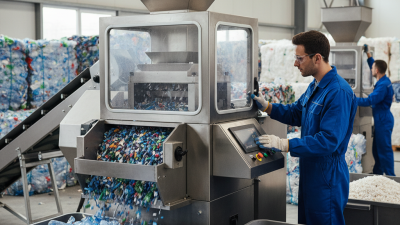
The landscape of plastic recycling is evolving rapidly. As environmental concerns grow, the importance of efficient recycling technologies becomes clearer. The global plastic recycling market is projected to reach $65 billion by 2026, emphasizing the need for effective solutions like the Plastic Recycling Grinder. These machines play a pivotal role in converting waste into reusable materials.
In recent years, advancements in grinding technology have led to more efficient processes. Data shows that up to 30% of plastics do not get recycled due to inadequate processing methods. This gap highlights the role of innovative grinders in facilitating better recycling rates. The Plastic Recycling Grinder offers enhanced performance, addressing issues such as contamination and material quality.
However, not all grinders meet industry standards. Users often struggle with durability and maintenance, pointing to a need for more reliable options. As the market grows, manufacturers must focus on producing high-quality, durable products that can withstand continuous use. The focus on quality and efficiency will be essential in shaping a sustainable future for plastic recycling.

Emerging Innovations in Plastic Recycling Grinder Design for 2026
The landscape of plastic recycling grinders is evolving rapidly. In 2026, innovations in design will play a crucial role. One major trend is the integration of AI technology. This can enhance efficiency in processing various plastic types. AI-driven systems provide real-time monitoring and adaptive grinding capabilities. These advancements could lead to faster processing times.
Another exciting development involves the use of sustainable materials in grinder construction. Designers are exploring bio-based plastics and recycled metals. This approach reduces the carbon footprint of manufacturing. It's a step toward making the entire recycling process more environmentally friendly. Such designs aim to improve durability without sacrificing performance.
Tips for those in the industry: Stay updated on advancements in AI and material science. Implementing new technologies may require training for your team. Evaluating the lifecycle of your grinder can highlight areas for improvement. Investing in innovation is essential for growth. Embrace change while reflecting on your current practices. Adaptation may be challenging, but it’s necessary for progress.
Market Growth Projections for Plastic Recycling Grinders by 2026
The market for plastic recycling grinders is expected to witness significant growth by 2026. As sustainability becomes a priority, industries are investing in efficient machinery. This trend is driven by the increasing demand for recycled materials. Manufacturers face pressure to enhance production capabilities. They need grinders that can process various plastics effectively. Innovations will likely focus on speed, efficiency, and durability.
Trends emerging in this sector include automation and smart technology. These features can optimize operations and reduce labor costs. As we look towards 2026, eco-friendly designs are also gaining traction. The demand for greener solutions may push companies to rethink materials and designs. However, it's essential to stay aware of the challenges in this evolving landscape. Companies must balance cost with innovation.
Despite positive projections, the industry still faces hurdles. A shortage of skilled workforce can impede growth. Market players need to collaborate with educational institutions for training programs. Adapting to new technologies requires time and investment. Companies should not overlook the importance of research and development. This will be crucial for maintaining a competitive edge in the future.
Top Plastic Recycling Grinder Trends to Watch in 2026
| Trend |
Market Growth Rate (%) |
Key Drivers |
Projected Market Size (Million USD) |
| Increased Automation |
15% |
Labor cost reduction, efficiency |
1200 |
| Eco-Friendly Materials |
12% |
Sustainability demand, regulations |
900 |
| Smart Technology Integration |
18% |
Data analytics, predictive maintenance |
1500 |
| Customization Options |
10% |
Market diversification, customer preference |
800 |
| Energy-Efficient Designs |
14% |
Cost savings, environmental impact |
950 |
Key Materials Driving the Evolution of Plastic Recycling Grinders
The plastic recycling industry is evolving, driven by key materials that shape the future of grinding technology. In 2026, the focus will likely shift toward processing advanced materials like bio-based plastics. These alternatives are not just eco-friendly; they address consumer demand for sustainable products. Expect to see increased interest in grinders capable of handling these unique properties.
Recyclable composites are another area of growth. Manufacturers need grinders that can efficiently break down multi-layer materials. The challenge lies in achieving this without compromising the quality of the recycled output. Innovations in blade design and motor efficiency will play a crucial role in overcoming these hurdles.
Moreover, there will be a rising demand for specialty grinders that focus on specific types of waste. For instance, electronic waste plastics require different handling techniques. This specialization poses both an opportunity and a challenge for manufacturers. Adapting to these diverse needs will be critical for the industry’s growth. It highlights the importance of continuous improvement in technology and processes.
Impact of Automation on Plastic Recycling Grinders' Efficiency in 2026
In 2026, automation is set to revolutionize plastic recycling grinders. This technology significantly enhances efficiency, reducing operational costs and processing times. According to a recent industry report, automated systems can improve productivity by up to 40%. This shift means that more materials can be processed in less time, addressing the increasing demand for recycling capacity.
However, the transition to automation is not without challenges. Many facilities may struggle to integrate new technologies with existing equipment. Additionally, reliance on automation can create vulnerabilities. System failures can halt operations, potentially leading to material backlogs. It’s essential for companies to maintain a balance between manual and automated processes, ensuring flexibility in operations.
Embracing these advancements is crucial. Companies should invest in training employees on new machines. This approach fosters a skilled workforce capable of managing high-tech systems. Furthermore, regular maintenance of automated equipment is vital. It helps in preemptively addressing issues, ensuring smooth operations. Efficiency in recycling is not just about machinery; it's also about the people who operate it.
Sustainability Trends Influencing Plastic Recycling Grinder Developments
The plastic recycling industry is evolving rapidly under the influence of sustainability trends. One significant development is the push towards enhanced energy efficiency in recycling grinders. Many manufacturers are now focusing on machinery that minimizes energy consumption while maximizing output. This shift not only reduces operational costs but also contributes to a smaller carbon footprint.
Another trend is the integration of smart technologies in grinding equipment. Sensors and automation can optimize the grinding process. However, this advancement raises questions about the skills needed for maintenance. As technology becomes more complex, the workforce may require additional training. This situation presents a challenge for many companies in the industry, as they must balance technological upgrades with employee development.
Finally, the growing emphasis on circular economy principles is shaping product design. Devices and grinders must be adaptable to handle various types of plastics. This flexibility is crucial as the market sees an increase in collected materials diversity. Yet, it remains to be seen how well these systems can cope with mixed material inputs. The pursuit of sustainability in plastic recycling is underway but comes with its own set of dilemmas.