What Are the Top PLA Shredder Types in 2026?
Choosing the right PLA Shredder in 2026 requires more than comparing motor power. PLA behaves differently from PET, ABS, and many traditional plastics. It can soften under friction, fracture into sharp flakes, or clog screens when moisture remains inside the material.
This guide examines the leading PLA Shredder types, including single-shaft shredders, dual-shaft models, granulator-shredder combinations, and compact systems for printed parts. Each design creates a different cutting pattern. A slow rotor may handle thick failed prints with less heat. A faster granulator can produce smaller flakes, but it may increase dust and thermal stress. The right choice depends on feed size, daily volume, output requirements, and cleaning procedures.
Material preparation matters.
Bioplastics and recycling expert Dr. Ramani Narayan has warned, “Bioplastics are not a solution to the plastics problem.” His point is important here. PLA should not be treated as automatically recyclable simply because it is bio-based. Colorants, additives, food residue, and mixed polymers can reduce recovery quality. A practical operator checks moisture, separates incompatible materials, and monitors temperature near the cutting chamber.
Some recommendations remain debatable. A powerful machine is not always the most efficient one. Smaller workshops may benefit from controlled feeding and replaceable knives instead. Industrial users may need automation, dust extraction, and documented output testing.
This article compares the top PLA Shredder types for 2026. It also questions common purchasing assumptions, because real recycling performance begins before the first cut.
PLA Shredders: Purpose, Structure, and Operating Principles
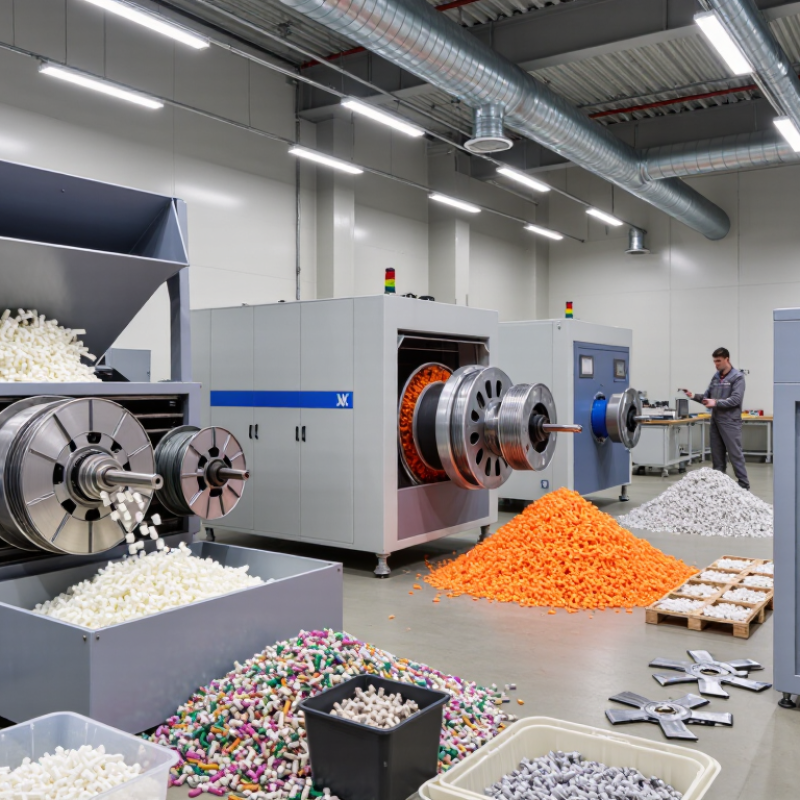
PLA shredders in 2026 are mainly single-shaft, dual-shaft, and compact granulating models. Each type serves a different recycling workflow. Single-shaft units use rotating knives against a fixed cutting bed. They suit failed prints, support structures, and thin PLA sheets. Dual-shaft machines create stronger tearing action with two counter-rotating shafts. They handle irregular pieces more steadily. Compact granulating models cut material into smaller flakes after coarse shredding.
The main structure includes a feed hopper, cutting chamber, shafts, blades, motor, gearbox, screen, and safety controls. Some systems also include dust extraction and temperature sensors. Blade spacing affects the final particle size. A smaller screen produces more uniform flakes but can slow output. The frame must resist vibration, especially when thick printed parts enter unevenly. In practice, loose fragments feed smoothly. Long, flexible pieces may wrap around the shaft.
Operation depends on controlled shear, torque, and repeated contact. The motor turns the shaft through a gearbox. Blades pull PLA into the cutting gap and break it against fixed knives. Material stays inside until it passes through the screen. Friction can warm PLA and make it softer than expected. That can cause clogging. Lowering the feed rate often helps, though it reduces throughput. I have found that choosing the largest machine is not always wiser. It may waste energy on small batches. Cleaning the chamber between materials also matters, but operators sometimes overlook it. Testing blade clearance and screen size with real PLA samples remains more reliable than trusting specifications alone.
Twin-Shaft PLA Shredders for High-Volume Plastic Processing
Twin-Shaft PLA Shredders for High-Volume Plastic Processing
In 2026, twin-shaft PLA shredders are gaining attention in high-volume plastic processing facilities. The OECD’s Global Plastics Outlook reports that global plastic waste reached 353 million tonnes in 2019. Only 9% was recycled. PLA represents a smaller stream, but its collection and processing needs are becoming more visible.
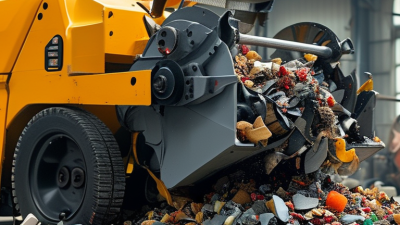
A twin-shaft shredder uses two counter-rotating shafts to pull material through the cutting chamber. This design handles bulky PLA sheets, failed printed parts, food-service items, and production trim. It also reduces bridging around the feed opening. Operators can watch the shafts grip a tangled bin liner instead of pushing it upward. That matters during continuous production.
European Bioplastics reported global bioplastics production capacity of about 2.47 million tonnes in 2024. PLA remains one of the leading materials in that capacity. However, a shredder does not make PLA automatically recyclable. Moisture, labels, pigments, and mixed polymers can lower material quality. Real facilities need sorting and controlled storage.
The less glamorous part is maintenance. Cutting edges dull. Screens clog. Power demand changes with contamination. A twin-shaft system can improve feeding consistency, but it may not deliver the advertised throughput in every plant. Site trials remain essential. Reported capacity should be checked against actual PLA density, moisture, screen size, and operating hours.
Granulator-Style PLA Shredders for Fine Particle Production
What Are the Top PLA Shredder Types in 2026?
Granulator-style PLA shredders are gaining attention because they produce consistent particles for reprocessing. Their rotating knives cut printed parts, failed prototypes, and production offcuts against a fixed knife. A perforated screen then controls the final particle size. This design differs from slow-speed primary shredders, which usually create larger, uneven flakes.
European Bioplastics and nova-Institute reported global bioplastics production capacity of approximately 2.47 million tonnes in 2024. Their forecast expects capacity to reach about 5.73 million tonnes by 2029. This growth increases interest in reliable PLA size reduction. However, finer particles are not automatically better. Excessive cutting can generate heat, dust, and inconsistent melt behavior. Real workshop testing still matters. Sometimes, the perfect setting fails.
A practical granulator should offer adjustable rotor speed, replaceable knives, and an accessible screen. PLA can soften when friction builds inside a crowded chamber. Moisture can also reduce processing stability, although the effect depends on the material and application. Operators should measure particle size instead of relying on appearance.
Tips: Feed clean, dry PLA in controlled batches. Monitor motor load and chamber temperature. Inspect knife sharpness frequently. Start with a larger screen opening, then reduce it gradually. Record each setting, because small changes can improve consistency. unerquicklich
What Are the Top PLA Shredder Types in 2026?
Granulator-style PLA shredders are commonly selected by rotor design, feed condition, and the screen opening used to control particle size.
How to read this chart: The ranges represent typical engineering screen-opening targets for producing fine PLA regrind. Smaller openings generally produce finer particles, while actual output depends on material moisture, blade clearance, rotor speed, and repeated passes.
How to Select the Right PLA Shredder Type in 2026
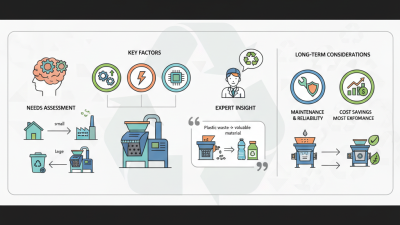
Selecting the right PLA shredder type in 2026 starts with the material, not the machine name. PLA softens under friction and heat. A slow-speed, high-torque single-shaft shredder suits thick prints, purge blocks, and failed parts. A dual-shaft shredder handles mixed shapes and irregular feedstock with steady shearing. For clean, brittle PLA pieces, a granulator can produce smaller flakes quickly.
Not every setup needs maximum speed. Match the shredder to your required output size, hourly volume, and feeding method. A smaller screen creates finer flakes but may increase heat and power use. Check rotor design, blade accessibility, overload protection, and cooling performance. Ask for a test using your actual PLA waste. Samples can reveal problems that specifications hide.
Keep color and material separation in mind. Small amounts of another polymer can affect later processing. Dry PLA before reprocessing when moisture control matters. Install suitable dust collection, especially near the discharge area. Noise and vibration deserve attention too. They often signal poor alignment or uneven feeding. No machine is perfect. I would leave room for cleaning, blade changes, and occasional feed interruptions. A reliable shredder is easier to maintain than one that only performs well during a showroom demonstration.