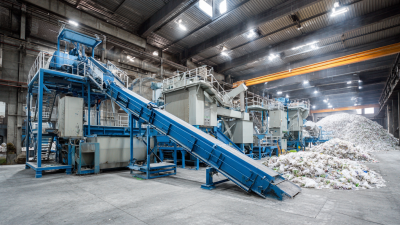
2026 Top Scrap Battery Shredder Suppliers?
The 2026 market for Scrap Battery Shredder systems is entering a more demanding phase. Global electric vehicle battery demand exceeded 750 GWh in 2023, according to the International Energy Agency’s Global EV Outlook 2024. The same report links this growth to rising recycling pressure. More spent batteries will require controlled discharge, safer dismantling, and consistent material separation.
This is not simply a machine-buying decision. A practical evaluation should examine throughput, dust control, spark detection, noise levels, and particle-size consistency. Operators also need clear procedures for mixed battery chemistries, damaged packs, and moisture-sensitive black mass. Small details matter. A blocked filter can affect an entire shift.
Hans Eric Melin, founder of Circular Energy Storage, has warned, “Battery recycling is not just about technology; it is about building a reliable supply chain.” His point remains important for 2026 supplier comparisons. A powerful Scrap Battery Shredder may still perform poorly without trained operators, stable feedstock, and accountable after-sales service.
Recent analysis from Circular Energy Storage and IDTechEx indicates that recycling capacity is expanding faster than mature end-of-life volumes in several regions. That mismatch deserves attention. Some supplier claims still need independent verification. Buyers should request test videos, laboratory results, recovery data, and references from comparable facilities. Perfect performance on paper is not enough. Real batteries are inconsistent, dirty, and sometimes damaged. The leading suppliers will therefore be judged by measurable safety, recoverable material quality, maintenance support, and transparent engineering—not impressive brochures alone.
What Is a Scrap Battery Shredder and How Does It Work?
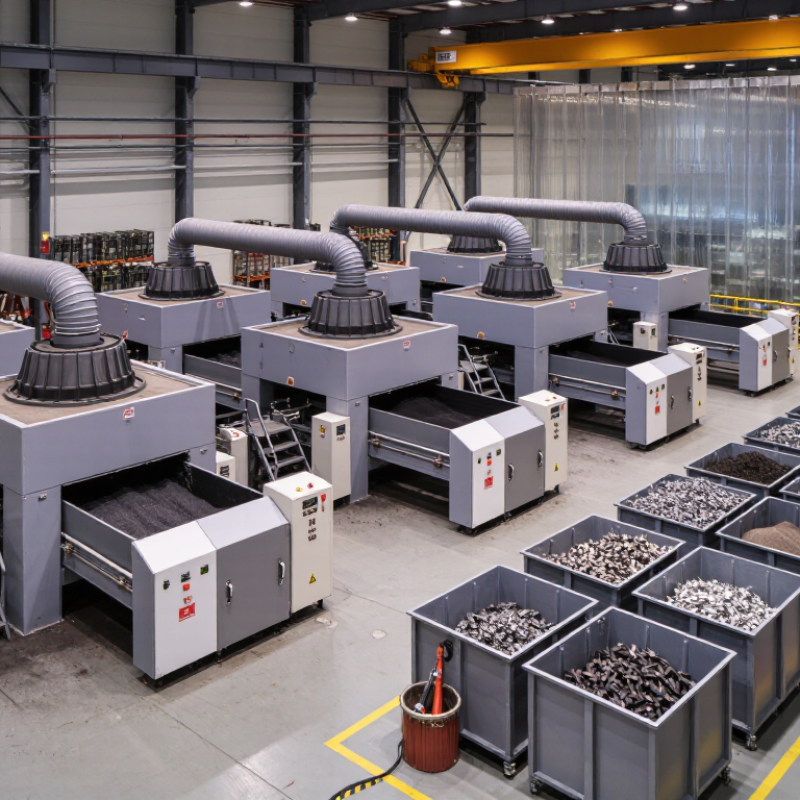
A scrap battery shredder is an industrial machine that reduces end-of-life batteries into smaller, manageable pieces. It supports material recovery, but it is not a simple crushing device. Battery types, charge levels, moisture, and casing materials can vary widely. Safe operators inspect and sort incoming batteries before processing.
The process usually begins with controlled feeding into a sealed or guarded chamber. Slow-turning cutters apply steady torque instead of sudden impact. This approach can limit heat and reduce uncontrolled breakage. Some systems use inert gas, temperature monitoring, or dust extraction. These features help manage fire, dust, and vapor risks. They do not remove the need for trained supervision.
After shredding, screens separate particles by size. Magnetic units can recover steel casings, while air or density separation may divide plastics and heavier metal fractions. Further processing can isolate copper, aluminum, and active material for approved recycling routes. The exact setup depends on battery chemistry and local requirements.
No shredder performs perfectly. Mixed feedstock can reduce recovery quality and wear cutting tools faster. That detail is easy to overlook. In practice, regular inspections, documented maintenance, and careful feed control often matter as much as motor power. A reliable supplier should explain these limits clearly, provide safety data, and demonstrate how its equipment handles real operating conditions.
Key Features to Evaluate in Scrap Battery Shredding Equipment
Choosing a scrap battery shredder in 2026 requires more than comparing hourly capacity. The IEA’s Global EV Outlook 2024 reported that electric-vehicle battery demand exceeded 750 GWh in 2023, rising about 40% year on year. This growth increases pressure on recyclers to process mixed formats safely and consistently. Look for adjustable rotor speed, high torque at low speed, and replaceable wear parts. These features help manage steel casings, plastic separators, and compact battery modules without excessive downtime.
Safety should lead the evaluation. Lithium-ion batteries can release flammable gases and retain energy after removal from equipment. A credible shredder design should include enclosed feeding, temperature sensors, spark detection, dust control, and oxygen-managed processing where appropriate. The U.S. National Fire Protection Association and battery safety guidance both emphasize controlling ignition sources and thermal events. Check whether the supplier provides test records, maintenance procedures, and traceable performance data, not only attractive brochures.
Particle size also matters. A controlled output can improve magnetic separation, screening, and downstream material recovery. Ask for measured results using your actual battery mix, including pouch, cylindrical, and prismatic cells. The European Commission’s battery regulation targets high recovery and recycling performance, making contamination control increasingly important. Still, a perfect laboratory result may fail in a dusty plant. I would test noise, vibration, dust leakage, and energy consumption during a longer trial. Small details often decide reliability.
2026 Scrap Battery Shredder Supplier Evaluation Framework
Relative engineering priority of the key features used to evaluate industrial scrap battery shredding equipment.
Safety-related functions receive the highest priority because scrap batteries may contain residual electrical energy, flammable electrolytes, and hazardous dust. Throughput, inert-atmosphere capability, particle-size control, maintenance access, and energy efficiency are also important when comparing industrial systems. Scores are an equipment-evaluation benchmark, not rankings or performance claims for any specific supplier.
Top Scrap Battery Shredder Suppliers to Consider in 2026
Top scrap battery shredder suppliers in 2026 should be judged by more than machine price. The IEA reported that global electric vehicle battery demand exceeded 750 GWh in 2023. BloombergNEF’s 2024 Battery Price Survey placed average battery pack prices at 115 dollars per kWh. More batteries will eventually enter recycling streams. Suppliers must therefore offer stable throughput, controlled discharge, and reliable material separation.
The strongest candidates should provide test data for different chemistries, including lithium iron phosphate and nickel-rich cells. Ask for dust-control performance, temperature monitoring, fire-isolation design, and noise measurements. A useful shredder line should also handle irregular feed sizes without excessive stoppages. In my view, service quality matters as much as cutting capacity. Spare-part access, operator training, and documented maintenance schedules reveal supplier maturity. No supplier is perfect. Some impressive specifications may reflect laboratory conditions, not a busy recycling floor.
Tips: Request a witnessed trial using your actual scrap mix. Measure kilograms per hour, energy use, particle size, and unplanned downtime. Compare these results with supplier claims. Check whether the system integrates with magnetic, eddy-current, and pneumatic separation equipment. Also review compliance documentation and emergency procedures against local requirements. The European Environment Agency and IEA both emphasize traceability and safer battery-management practices. A neat spreadsheet can still hide practical weaknesses. Allow time for a second review.
How to Compare Supplier Technology, Capacity, and Safety Standards
Choosing a top scrap battery shredder supplier in 2026 requires more than comparing advertised tons per hour. The IEA’s Global EV Outlook 2024 reported almost 14 million electric cars sold in 2023. This expanding battery stream increases demand for stable, traceable processing systems. Compare throughput using your actual feedstock, including pouch cells, cylindrical cells, modules, and mixed chemistries. Ask for test results showing particle size, recovery rate, dust levels, and energy consumption. A large rotor is not automatically better.
Tips: Request a witnessed trial with your own battery samples. Check whether the supplier measures capacity continuously, rather than quoting a peak figure. Inspect the feed hopper, inert-gas controls, fire detection, and emergency isolation points. Review documented risk assessments against ISO 12100 and guarding practices aligned with ISO 14120. Safety claims without test records deserve caution.
The Global Battery Alliance has highlighted the need for stronger battery traceability and responsible value chains. Therefore, supplier software matters too. Look for batch records, operator alerts, maintenance histories, and contamination reporting. Ask how the system handles thermal events, damaged cells, and moisture-sensitive materials. Independent testing is preferable to polished factory videos. Site references can reveal uncomfortable details, such as blocked conveyors or frequent filter replacement. I would also compare spare-part lead times and technician response coverage. Capacity projections remain uncertain, and even experienced buyers can overestimate future volumes. A flexible line may outperform a faster machine when market chemistry changes.
Choosing the Right Scrap Battery Shredder Supplier for Your Needs
Choosing the Right Scrap Battery Shredder Supplier for Your Needs
Selecting a scrap battery shredder supplier in 2026 requires more than comparing machine prices. The equipment must match your battery types, processing volume, and site conditions. A practical supplier should explain how the shredder handles lithium-ion, lead-acid, or mixed battery streams. Ask for measured throughput, particle-size results, and energy consumption from real operating tests. Vague promises are warning signs.
Safety deserves close attention. Look for enclosed feeding systems, dust extraction, temperature monitoring, and suitable fire-control measures. The supplier should provide operating procedures, maintenance schedules, and technician training. Check the rotor design, blade material, access panels, and expected replacement intervals. I have found that spare-part availability often affects production more than the original purchase price. That detail is easy to overlook.
Tips: Request a sample test using your own battery material. Compare noise, dust, discharge consistency, and downtime risks. Speak with existing users, but question whether their materials and workloads truly match yours. Review installation requirements, electrical demand, warranty limits, and service response times. A supplier may offer impressive capacity figures, yet your actual feed could be wetter, tougher, or more variable. Leave room for uncertainty. Test the process before making a final commitment.