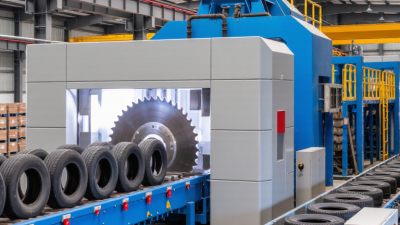
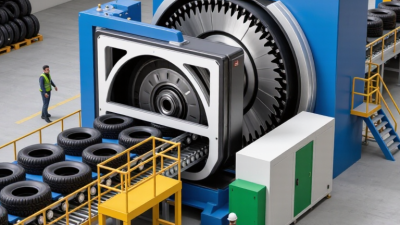
Choosing the best tire shredding machine supplier in China starts with the material you need to process. Whole passenger tires, truck tires, and pre-cut rubber place different demands on a machine. Tire Shredding performance depends on more than motor power. Blade design, shaft speed, feed size, and maintenance access all affect daily output.
Ask suppliers for clear specifications, including expected capacity, power use, and suitable tire types. Request test footage or a live demonstration using material similar to yours. A close look at the cutting chamber, replaceable blades, and discharge conveyor can reveal details that a brochure may not show. Small details matter. Check whether the supplier explains installation, operator training, spare parts, and service response times in writing. These are practical signs of a supplier’s experience and reliability, not guarantees.
Compare more than the purchase price. A lower initial cost may come with longer replacement-part lead times or limited technical support. Ask for customer references and confirm that stated capacities match real operating conditions. Feed size, tire construction, and maintenance routines can change results. No single supplier is best for every recycling project. Even careful research has limits; factory claims should be checked against documented evidence and your own production needs. This guide outlines what to assess when comparing Chinese suppliers, so you can make a more informed choice without relying on broad promises.
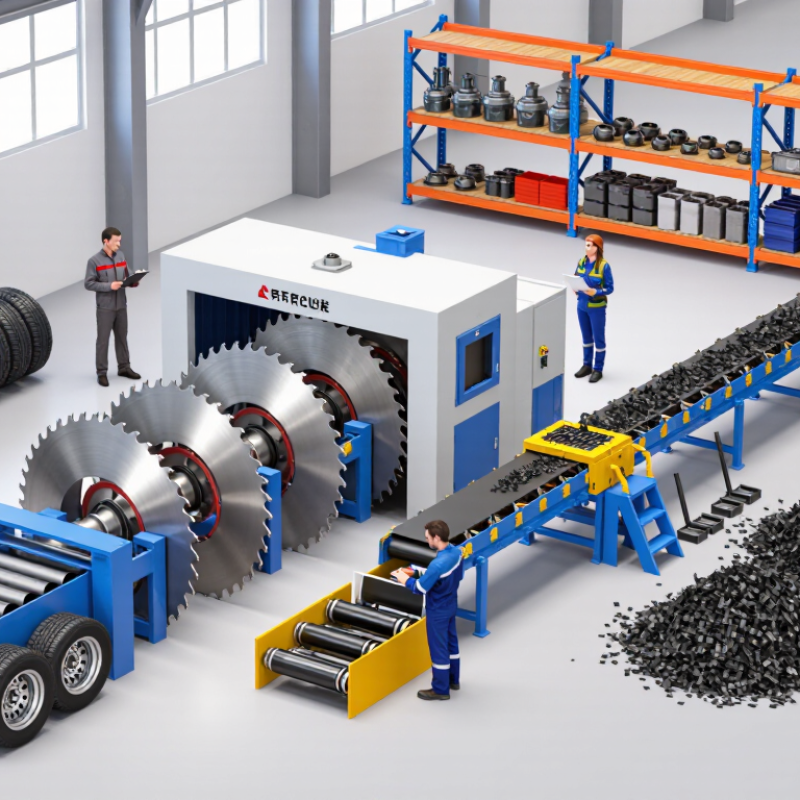
A tire shredding machine reduces whole tires into smaller, more manageable pieces for further processing or material recovery. Inside its cutting chamber, a rotating shaft carries hardened knives that work against stationary counter-knives. The cutting action tears and shears the rubber rather than simply crushing it. It is not magic. Tire size, steel reinforcement, knife condition, and machine settings all affect the result.
In a typical setup, a conveyor feeds tires into the chamber. A low-speed, high-torque rotor grips each tire and draws it between the knives. The machine produces rough chips; models with sizing screens may recirculate larger pieces until they fit through. A downstream magnetic separator can help remove steel wire from the shredded material. Operators should watch for unusual vibration, heat, or changes in cutting sound. Those signs may point to worn knives or uneven feeding, though they do not identify every fault.
Choosing a machine means matching its capacity and output size to the work, not relying on a headline throughput figure. Tire dimensions and operating conditions can change actual production. Maintenance matters, too: dull knives increase strain and can make feeding less consistent. A practical test with the tires you expect to process often reveals more than a brochure. Even then, results may vary.
China Best Tire Shredding Machine Supplier?
Key Specifications That Shape Tire Shredder Performance
When comparing tire shredders, look beyond motor power. Rotor diameter, cutting speed, and torque affect how steadily a machine handles bead wire and thick tread. A low-speed, high-torque design can reduce sudden load spikes, while replaceable cutters can simplify routine maintenance. Check the stated output against tire type and feeding method. A figure measured on uniform tires may not match results with mixed passenger and truck tires.
Tips: Request a test with tires similar to yours. Confirm screen size, cutter material, and expected cutter life in writing. Small details matter.
Also review the drive system, gearbox rating, and jam protection features. Automatic reverse can help clear jams, but it cannot replace careful feeding or inspection. Check the machine’s footprint, discharge height, and blade-changing access. Ask how capacity is measured, including operating hours and downtime assumptions. A reliable supplier should provide clear specifications, service guidance, and realistic output ranges. If a number sounds unusually high, question the test conditions. Specifications help, but they never tell the whole story.
Indicative throughput ranges by tire feed type (tonnes per hour). Actual capacity depends on shredder design, tire preparation, screen size, and operating conditions.
Use these broad planning ranges as a starting point, not a guaranteed output. When comparing machines, also check motor power, feed opening, cutter design, target chip size, and the supplier’s test conditions.
China Best Tire Shredding Machine Supplier?
How to Evaluate Tire Shredding Machine Suppliers in China
Choosing a tire shredding machine supplier takes more than comparing prices. Ask how the machine handles your actual tire sizes, steel content, and target output. A reliable supplier should explain its recommended configuration and share test results using comparable material. Request a live trial if possible. Watch how tires feed into the cutting chamber, and note vibration, noise, and discharge consistency. Small details matter.
Review the rotor, blades, bearings, and drive system with a qualified technician. Ask how often blades need inspection and how long routine replacement takes. Check whether the supplier provides operating manuals, spare-part lists, installation guidance, and remote troubleshooting. Clear answers are a good sign. Vague promises are not. I have seen specifications look convincing on paper, while practical maintenance details were missing. That is worth questioning.
Tips: Send sample tire dimensions and photos before requesting a quotation. Compare stated capacity under similar conditions, not just headline figures. Ask for a written list of included components and warranty coverage. If a factory visit is available, inspect finished machines and speak with the technical team. No checklist catches everything, but careful questions reduce unpleasant surprises.
When comparing Chinese tire shredding machine suppliers, judge the complete line, not just the headline capacity. USTMA’s 2021 Scrap Tire Management Report estimated that the United States generated 290.4 million scrap tires in 2019. That volume shows why stable throughput matters, but a supplier’s rated tonnes per hour is only a starting point.
Ask for a witnessed test using tires similar to yours. Check output size, wire separation, vibration, and motor temperature after sustained operation. Request the test material’s feed rate and screen configuration in writing. Quality also means traceable steel grades, documented welding inspections, and accessible wear parts. A polished brochure is not proof.
Support can make the difference. Confirm installation guidance, operator training, response times, and spare-parts availability before paying a deposit. Ask for references from plants processing comparable tire sizes, then speak directly with their maintenance teams. One detail is often missed: quoted capacity may assume clean, consistently fed material. Real feed varies. Supplier comparisons are imperfect, but documented tests and clear service commitments make them more useful.
Supplier evaluation scorecard
| Comparison area | What to compare | Evidence to request from each supplier | Why it matters |
|---|---|---|---|
| Processing capacity | Rated throughput for the proposed machine configuration, feed material, and operating conditions | Written capacity statement, test conditions, feed specification, and a witnessed or recorded acceptance test | Capacity figures are not directly comparable unless the feedstock, screen, and operating conditions are consistent. |
| Output size | Specified tire-chip size and the share of output within the agreed size range | Sample output, screen or cutter configuration, and a written definition of the acceptance criteria | Output size affects downstream processing and may change with machine setup and tire type. |
| Build quality | Documented materials, fabrication process, component specifications, and inspection controls | Bill of materials, component datasheets, inspection records, and machine photographs or video before shipment | A specification sheet alone does not establish the quality of the delivered machine. |
| Cutting components | Cutter material and design, expected wear, sharpening or replacement process, and spare-part availability | Material and heat-treatment documentation, maintenance instructions, parts list, and quoted replacement-part prices | Wear-part costs and replacement lead times contribute to long-term operating expense. |
| Power and operating costs | Installed motor power and measured energy use under a defined processing test | Motor nameplates, electrical drawings, and test data stating the material and operating conditions | Installed power is not the same as energy consumption per tonne of processed tires. |
| Safety and compliance | Machine guarding, emergency stops, electrical protection, and requirements for the destination market | Risk assessment, safety-device list, wiring diagrams, and applicable conformity documents for the specific machine | Compliance requirements vary by destination and machine configuration; verify documents for the supplied unit. |
| Installation and commissioning | Included installation scope, commissioning method, training, and responsibilities for site preparation | Written scope of supply, installation schedule, training plan, and list of buyer-provided utilities or equipment | Clear scope reduces delays and unexpected costs during startup. |
| After-sales support | Warranty terms, technical response process, remote troubleshooting, and service coverage | Warranty document, support contact details, response-time commitment, and escalation procedure | Support should be assessed against written commitments, not general assurances. |
| Delivery and commercial terms | Manufacturing lead time, packing, shipping terms, payment milestones, and exclusions | Itemized quotation, delivery schedule, packing details, and clearly stated trade and payment terms | Comparable quotations make it easier to identify differences in scope and total delivered cost. |
Note: No supplier-specific capacity, quality rating, or support claim is presented here. Compare suppliers using the same feedstock, output requirements, test conditions, and written acceptance criteria.
China Best Tire Shredding Machine Supplier?
Where Tire Shredding Machines Fit in Recycling Systems
A tire shredder is one stage in a larger recycling line, not a complete solution. It reduces whole tires into manageable pieces for steel separation, further granulation, or approved energy-recovery uses. The right configuration depends on what happens next: a crumb-rubber line needs different output sizes from a line producing tire-derived fuel. ETRMA’s 2022 end-of-life tire statistics estimate about 3.9 million tonnes of waste tires arose in Europe, with roughly 95% collected and treated. That scale makes reliable feeding, cutting, and downstream separation practical priorities.
In a typical system, tires are inspected and fed into a primary shredder. Conveyors carry the chips to magnets that remove much of the steel; screens then control particle size. Textile removal may require additional equipment. A machine’s rated capacity alone can be misleading: tire condition, wire content, maintenance, and desired chip size all affect real throughput. A line can look efficient on paper and still bottleneck at the screen. ETRMA’s figures describe Europe, so they should not be treated as a universal market estimate.
Tips: Match the shredder’s output to the next process, and ask for test results using similar tires. Check blade access, safety interlocks, and how quickly worn parts can be replaced. Leave room for conveyors and maintenance; cramped layouts tend to create avoidable delays.