Why Choose a Plastic Waste Shredder for Recycling?
Plastic waste often arrives as an awkward mix of bottles, containers, film, and production offcuts. A recycling line cannot handle every item in the same way. A Plastic Waste Shredder reduces suitable plastics into smaller, more manageable pieces before washing, sorting, or further processing. This size reduction can support steadier feeding and a more consistent material stream for downstream equipment. It may also ease storage and transport when bulky items take up valuable floor space. The benefits depend on what enters the machine. Hard, thick parts behave differently from thin film, while contamination can affect output quality and maintenance needs. Useful, but not a cure-all.
Choosing a shredder requires more than comparing motor power or advertised throughput. Check the plastic types, expected daily volume, feed opening, cutting arrangement, screen size, and cleaning access. Ask how the machine handles jams, wear parts, noise, and dust. When possible, request a test using representative material. A realistic trial can reveal details a brochure misses. Long strips, for example, may wrap around a rotor, while labels or residue can complicate later washing. Safety features and clear operating instructions matter, especially during routine maintenance. Details matter. No single configuration fits every recycling line. Match the equipment to actual materials, available space, service support, and quality targets—not simply to the biggest capacity. That choice deserves a second look.
OECD 2019: Only 9% of Plastic Waste Was Recycled; 22% Was Mismanaged
OECD’s Global Plastics Outlook reports that, in 2019, only 9% of plastic waste was ultimately recycled. About 22% was mismanaged, including waste left in uncontrolled dumps or not properly collected. The remaining waste was mostly landfilled or incinerated. This is not just a sorting problem. UNEP’s 2021 assessment estimated that 19–23 million tonnes of plastic enter aquatic ecosystems each year. Those figures show why better collection and processing matter.
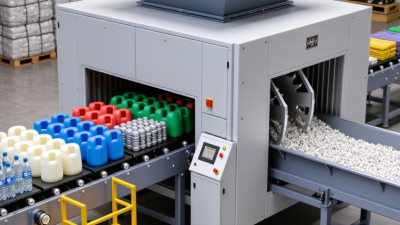
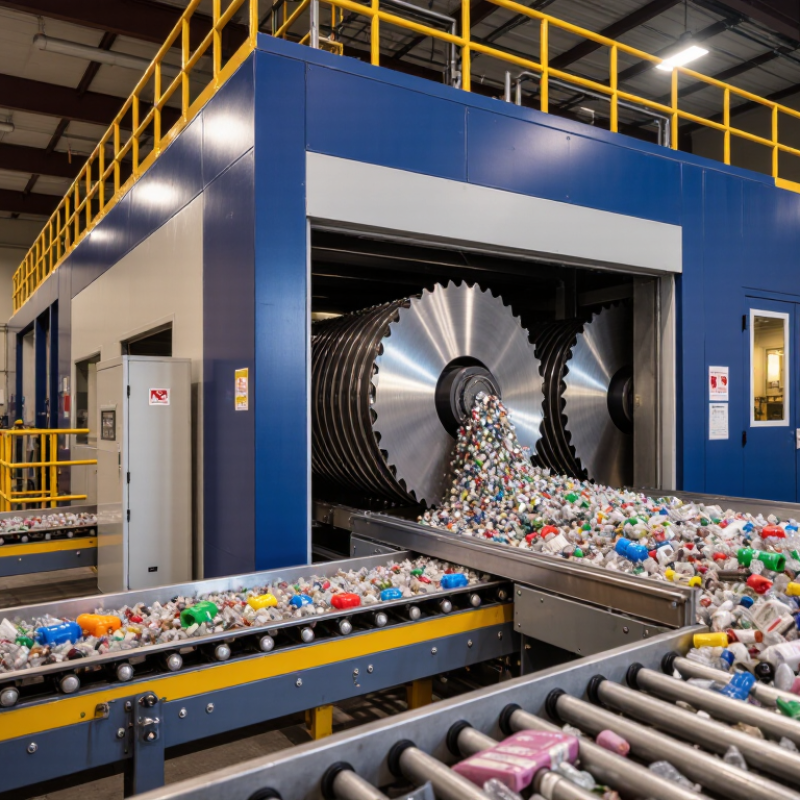
A plastic waste shredder can reduce bulky containers, film, and production offcuts into more manageable pieces. Consistent particle size can help downstream washing, sorting, and melting equipment run more steadily. In practice, a tangled film bundle may bridge above the rotor, while a stray metal fitting can damage cutting components. Shredding helps prepare material; it does not remove contamination or make mixed plastics recyclable by itself. Its real value depends on what happens next.
Tips: Sort by polymer before shredding, remove metal and excess residue, and check output size and moisture. Track jams and blade wear, too. Shredding is one useful step, but it is easy to overstate its impact.
Mechanical Recycling Flow: Sorting, Shredding, Washing, and Reprocessing
Why Choose a Plastic Waste Shredder for Recycling?
Mechanical Recycling Flow: Sorting, Shredding, Washing, and Reprocessing
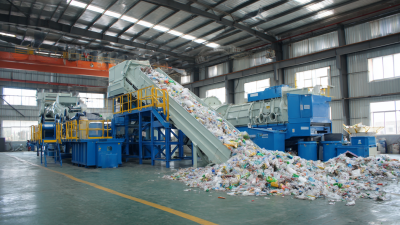
At a recycling facility, the process begins with sorting. Workers and sensors separate plastics by type, color, and condition. Labels, metal parts, and heavily contaminated items can disrupt later stages. Careful sorting improves consistency, though mixed household waste is rarely uniform.
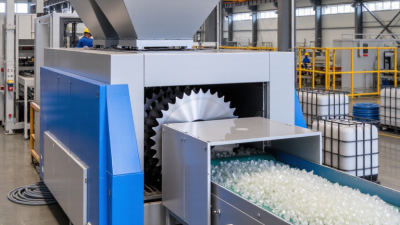
A plastic waste shredder reduces selected material into flakes that are easier to wash and handle. Operators adjust screen size and feed rate to suit the material. Smaller flakes expose more surface area, but excessive fines may be lost during washing. The shredder is useful, not magic. Blades also need inspection, especially when rigid pieces or stray metal enter the line.
Washing removes soil, food residue, and some adhesives, often through friction and water separation. Clean flakes are dried and melted for reprocessing into pellets or other feedstock. Moisture and contamination can weaken the final material, so checks matter at every transfer point. One missed sorting issue may later cause uneven color or poor melt flow. Real batches take adjustment. That is normal.
How Shredders Reduce Plastic to Sizes Suitable for Downstream Processing
A plastic waste shredder turns bulky scrap into pieces that downstream equipment can handle more consistently. The goal is not always the smallest possible output. It is a suitable, controlled size for washing, sorting, or granulation. For example, a large molded part may need a different cut than thin film or a brittle container.
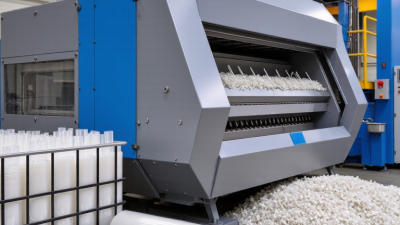
Rotor design, cutter condition, screen openings, and feed rate all influence the result. A screen with smaller openings can help limit oversized pieces, but it may also slow throughput or increase heat. Too much fine material can complicate washing and separation. It is not magic. Material that varies in thickness or arrives tangled may still produce uneven fragments.
Operators can check a sample from the discharge and compare it with the next machine’s requirements. Look for long strips, dusty fines, and pieces that could bridge a conveyor or block a chute. Adjustments should be tested gradually, since changing the feed rate or screen can affect both output size and machine load. There is no perfect setting. A workable shred size balances reliable feeding, acceptable throughput, and the needs of the actual recycling line.
Choose by Polymer Type, Feed Size, Throughput, and Target Particle Size
Why Choose a Plastic Waste Shredder for Recycling?
Choose by Polymer Type, Feed Size, Throughput, and Target Particle Size
A plastic waste shredder is useful when its output fits the next recycling step. Start with the polymer. Thin PE film can wrap around cutting parts, while rigid HDPE containers may need a different cutting setup. Mixed plastics can behave unpredictably. Check what your actual waste stream contains, not just its label.
Measure the largest pieces, including bulky containers and compressed bundles. The feed opening must accept them without constant manual cutting. Then compare throughput using realistic feed conditions. A rated hourly capacity may not match your line if material arrives unevenly or includes labels and moisture. Target particle size matters, too. Smaller flakes may suit washing or conveying, but screen size alone does not guarantee uniform pieces. Check sample output with your own material.
Tips: Ask for a trial using representative feed. Inspect the flakes, listen for irregular cutting, and note how often operators need to clear jams. Small details matter. A trial cannot predict every shift, but it can reveal a poor fit before installation.
Compare Energy Use, Maintenance Needs, and Recovery Yield Across Shredder Designs
Why Choose a Plastic Waste Shredder for Recycling?
Choosing a shredder affects energy use, maintenance, and the quality of recovered plastic. A low-speed, high-torque single-shaft design can handle bulky items steadily, but its screen may need clearing when film wraps around the rotor. Twin-shaft machines often accept mixed, irregular feed with less presorting. Their output may be coarse and uneven, requiring another size-reduction step. Neither design guarantees lower energy use: wet, dirty, or densely packed material can raise power demand.
High-speed granulators can produce more uniform flakes, which may help downstream washing and sorting. However, their blades and screens can wear faster when feed contains grit or metal. A coarse shredder may use less energy per pass, yet leave pieces too large for efficient separation. Recovery yield depends on the whole line, including sorting accuracy and material cleanliness. Even a small amount of labels or residue can affect the usable output.
Tips: Track kilowatt-hours per tonne, not motor rating alone. Weigh clean recovered flakes against incoming plastic over several shifts. Inspect blades, screens, and bearings on a fixed schedule, then adjust it using actual wear. Keep a log. Results vary with feedstock, and one trial rarely tells the whole story.