Inquiry
Form loading...

China Top 10 Tyre Shredding Machine Manufacturers 2026

China’s tyre industry is entering a more demanding recycling era. The World Business Council for Sustainable Development’s Tire Industry Project estimates that roughly 1.5 billion end-of-life tyres are generated globally each year. This volume creates pressure for safer collection, efficient processing, and reliable material recovery.

China remains one of the world’s largest tyre manufacturing bases. Reports from the China Rubber Industry Association regularly highlight strong domestic tyre production and expanding recycling requirements. Meanwhile, China’s Ministry of Industry and Information Technology has promoted resource efficiency, cleaner production, and the high-value use of recycled rubber. These trends are increasing demand for dependable Tyre Shredding Machine solutions.

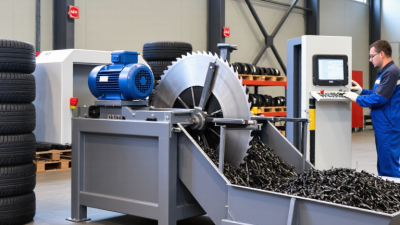
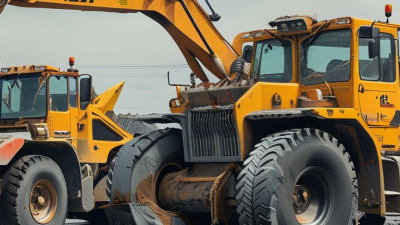
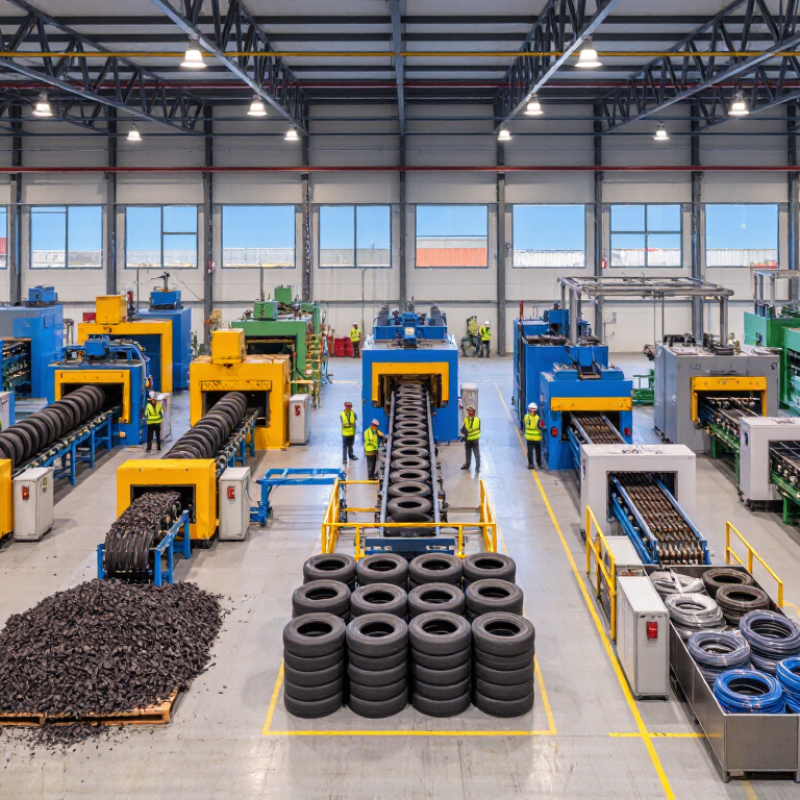
A modern machine must do more than cut rubber. It should process passenger tyres, truck tyres, and oversized earthmover tyres with stable throughput. Blade design, motor protection, hydraulic control, noise management, and dust containment all affect operating results. A visible output matters: consistent rubber chips, separated steel, and manageable textile residue.

This guide examines China’s top 10 tyre shredding machine manufacturers for 2026. The comparison considers manufacturing experience, machine design, production capacity, testing practices, after-sales support, and export performance. It also considers evidence, not promotional claims alone.

No ranking is perfect.

Supplier websites may emphasize strengths while omitting maintenance difficulties or energy consumption. Buyers should request test videos, sample outputs, spare-parts lists, and verified customer references. The Global Recycling Foundation and international tyre-recycling studies also stress traceability and responsible processing throughout the material chain.

The selected manufacturers represent different technical approaches and market positions. Their differences deserve careful review before any investment decision.
China Top 10 Tyre Shredding Machine Manufacturers 2026

Global ELT Scale: 1.5 Billion Waste Tyres Generated Annually

China Top 10 Tyre Shredding Machine Manufacturers 2026

Global ELT Scale: 1.5 Billion Waste Tyres Generated Annually

Around 1.5 billion waste tyres are generated worldwide each year. These end-of-life tyres occupy valuable land and resist natural decomposition. Their steel wires, synthetic rubber, and textile layers make processing technically demanding. For recycling operators, reliable shredding equipment is becoming essential infrastructure.

The leading Chinese manufacturers in 2026 should be assessed beyond catalogue claims. Practical experience matters. A suitable machine must handle passenger tyres, truck tyres, and mixed rubber feedstock steadily. Key evaluation points include cutting torque, knife durability, motor efficiency, dust control, noise management, and maintenance access. Output size also matters because tyre chips serve different downstream applications.

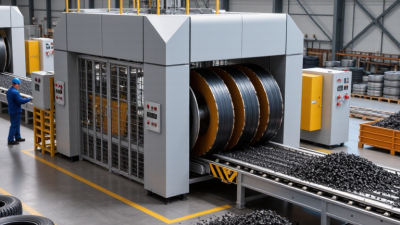
A well-designed line usually includes feeding, primary shredding, magnetic separation, and screening. Some facilities require secondary granulation for smaller particles. Through field assessments, operators often discover that real capacity differs from laboratory figures. Moisture, worn knives, irregular feeding, and seasonal workload can reduce throughput. That gap deserves honest attention.

The top ten list should therefore compare documented performance, service response, spare-part availability, and safety engineering. Factory testing is useful, but long-term operating records are stronger evidence. Buyers should request sample processing data and inspect finished chips. One detail is easy to miss: maintenance downtime can cost more than the initial price difference. Industry rankings remain helpful, yet they should support careful verification rather than replace it.

China Top 10 Tyre Shredding Machine Manufacturers 2026 - Global ELT Scale: 1.5 Billion Waste Tyres Generated Annually

Non-branded market-reference table based on commonly specified Chinese tyre-shredding equipment configurations. Figures are typical industry ranges, not individual company claims.
Market Position Typical Machine Configuration Primary Application Typical Capacity
(t/h)
Typical Output Size Typical Motor Range
(kW)
Typical Processing Stages Common Recovered Materials
01 Heavy-duty double-shaft primary shredder Whole passenger and truck tyres 8–20 50–300 mm 160–400 1 Rubber chunks, steel, textile
02 High-torque four-shaft shredder Controlled-size tyre-derived fuel preparation 5–15 30–100 mm 150–350 1–2 TDF chips, steel, fibre
03 Primary shredder with hydraulic pusher Mixed ELT intake and pre-processing 6–18 60–250 mm 132–315 1 Rubber pieces and exposed steel
04 Integrated tyre rasper line Production of rubber mulch and granulate feedstock 1–6 10–50 mm 180–500 2–3 Rubber granules, steel, textile
05 Two-stage shredder and magnetic separation system Steel-free rubber chip production 3–10 20–80 mm 250–600 2 Rubber chips and separated steel
06 Compact low-speed tyre shredder Small recycling plants and decentralized collection sites 1–5 50–150 mm 75–220 1 Tyre chips and coarse steel
07 Granulator with screening and air separation Fine rubber granule production 0.8–4 1–10 mm 250–750 3–4 Rubber granules, steel, textile fluff
08 Tyre bead and sidewall cutter system Pre-cutting before primary shredding 2–8 Sectioned tyres 30–110 Pre-processing Rubber sections and bead wire
09 Mobile or containerized tyre-shredding unit On-site processing and temporary projects 2–10 50–200 mm 90–300 1 Tyre-derived fuel chips and steel
10 Complete fine-powder rubber recycling line Rubber powder for molded and modified products 0.5–3 0.3–2 mm 350–900 4–6 Rubber powder, steel, textile residue
Industry context: Global end-of-life tyre generation is widely estimated at approximately 1.5 billion tyres per year. A typical tyre contains mainly rubber and elastomer compounds, with steel and textile reinforcement; the exact material composition varies by tyre type, size, manufacturer, and regional specification.

Tyre Shredding Technology: 50–150 mm Chips at 5–30 t/h

China Top 10 Tyre Shredding Machine Manufacturers 2026

Tyre Shredding Technology: 50–150 mm Chips at 5–30 t/h

Practical tyre recycling projects often target chips between 50 and 150 mm. This range supports fuel preparation, material recovery, and easier downstream conveying. Throughput usually spans 5 to 30 tonnes per hour. Actual output changes with tyre diameter, steel content, moisture, and feeding consistency. A controlled feed helps maintain stable motor load. It also reduces sudden torque peaks.

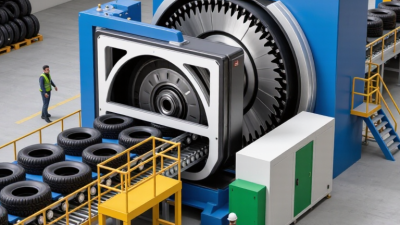
Modern industrial shredders commonly use slow-speed, high-torque shafts with replaceable cutters. Cutter spacing influences chip size more than marketing labels suggest. Screens can improve uniformity, but they may lower capacity. Operators should inspect bearings, hydraulic systems, and cutting edges during scheduled shutdowns. Dust control and noise management need equal attention. They affect worker comfort and equipment reliability.

When comparing Chinese manufacturers in 2026, buyers should request verified test data for their own tyre mix. A factory demonstration is useful, yet a short trial may hide wear patterns. Ask for continuous-load results, energy consumption, spare-part lead times, and service records. Do not accept 30 t/h as a universal promise. That figure may require clean, evenly fed tyres and favorable operating conditions. Real installations often perform below the brochure rate. This is where careful sizing matters. One overlooked detail can become an expensive lesson.

Manufacturer Ranking Criteria: Capacity, Energy Use, Safety, and Recovery Rates

China Top 10 Tyre Shredding Machine Manufacturers 2026

A credible 2026 ranking should begin with measured capacity, not catalogue claims. Manufacturers should disclose tonnes per hour, feedstock size, and stable operating hours.

ETRMA’s 2022 End-of-Life Tyre Management report recorded about 3.9 million tonnes of used tyres in Europe. Nearly 95% entered recovery routes.

This figure highlights the market’s scale and the need for dependable equipment.

Energy use deserves equal weight. Buyers should compare kilowatt-hours per tonne under identical tyre conditions.

A machine using less power may still perform poorly if output becomes inconsistent. Operators should request test records, motor efficiency data, and maintenance intervals.

Small details matter. A blocked screen can quickly raise energy consumption.

Safety evidence must include emergency stops, guarding, noise control, and documented training procedures.

Recovery rates should separate steel, rubber, and fibre, rather than showing one attractive percentage.

The U.S. Environmental Protection Agency has repeatedly identified scrap tyres as a major recoverable material stream, but recovery quality depends on contamination and particle size.

A ranking based only on price will mislead.

In practice, factory visits and independent trial runs remain valuable, although even these checks cannot remove every uncertainty.

China’s Top 10 Tyre Shredding Machine Manufacturers in 2026

China’s Top 10 Tyre Shredding Machine Manufacturers in 2026 should be assessed through measurable engineering evidence, not catalogue claims. China generates an estimated 330 million waste tyres annually, according to figures cited by the China Rubber Industry Association. This volume creates demand for stable, high-throughput shredding systems. Factory experience shows that rotor design, gearbox protection, and knife maintenance strongly affect operating costs. A machine may look powerful, yet struggle with steel-heavy truck tyres.

Industry reports also indicate continued growth in global tyre recycling equipment demand. Grand View Research projects a steady expansion of the tyre recycling market through the decade, supported by recovery targets and resource pressures. For a credible top-ten list, buyers should compare tested capacity, energy use, output size, dust control, and after-sales response. Technical documentation matters. So does a real production trial. Some published capacities appear optimistic under ideal conditions. That deserves careful review.

Tips: Ask for a sample test using your own tyre mix. Check hourly output after removing steel, not only the motor rating. Request noise, dust, and power-consumption records. A strong supplier should explain knife replacement intervals clearly. It should also provide spare-part availability in writing. Small gaps remain in public Chinese recycling data, so independent verification is still necessary. That is not a weakness. It is a practical reason to inspect the factory, review operating references, and compare results under identical conditions.

Tyre shredding machines are commonly evaluated by how efficiently they process the main material fractions found in end-of-life tyres. The chart shows representative average composition values for passenger-car tyres by weight; actual percentages vary by tyre size, design, and manufacturer.

Output Standards: Up to 99% Steel Separation and 98% Rubber Recovery

China Top 10 Tyre Shredding Machine Manufacturers 2026

Output Standards: Up to 99% Steel Separation and 98% Rubber Recovery

Modern tyre shredding lines are judged by recovery data, not appearance alone. Up to 99% steel separation can produce cleaner rubber granules and reduce downstream wear. Up to 98% rubber recovery indicates efficient size reduction, screening, and material handling. These figures are targets, not guaranteed results for every tyre type or operating condition. Passenger tyres, truck tyres, moisture, and wire design can change the outcome.

In practical plant audits, reliable manufacturers provide test reports, sample analysis, and clear capacity conditions. Operators should check magnet strength, conveyor alignment, screen openings, and blade condition. A small blade gap may affect purity quickly. Textile fibre also needs attention, because it can remain mixed with recovered rubber. Some systems perform well during short demonstrations but lose efficiency during continuous operation. That weakness deserves honest review. Independent sampling is valuable.

Tips: Request a test using your own tyre feedstock. Measure steel purity, rubber recovery, particle size, dust levels, and power consumption. Record results over several hours, not only one batch. Inspect maintenance access before purchase. Easy cleaning can protect output consistency. Ask whether the 99% and 98% figures refer to laboratory tests, production averages, or best-case results. Clear definitions make supplier comparisons more reliable.