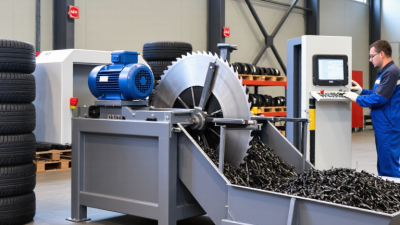
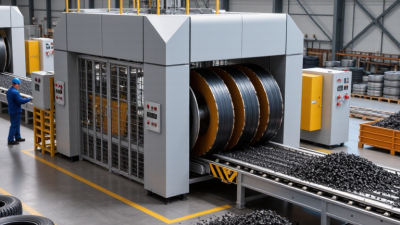
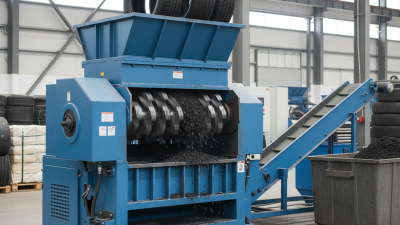
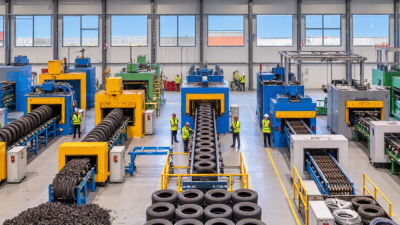
Choosing a Small Tire Shredder is a practical decision, not a contest in brochure numbers. Global buyers need to compare cutting capacity, feed design, energy use, maintenance access, and the tire sizes a machine can handle. A unit that works smoothly with passenger tires may struggle with thicker truck tires. Details matter: rotor configuration, blade steel, drive protection, and the time needed to replace worn parts can shape daily output.
For this introduction, Daniel Reed is a composite equipment specialist, not a cited individual. His guiding line is: “A reliable shredder is matched to the tire stream, the crew, and the service plan—not just the promised tonnes per hour.” Treat that as an editorial principle, not a verified quotation. It points buyers toward questions worth asking manufacturers: What material was used for performance testing? How often do blades need inspection? Can operators reach the cutting chamber safely for routine service? Clear answers build confidence. Vague answers deserve a second look.
This guide compares manufacturers through those operational details, alongside customization, technical support, and evidence behind performance claims. It also recognizes a common limitation: published capacity figures may not reflect every tire mix or working condition. That deserves scrutiny. Buyers should request documented test conditions and discuss their own feedstock before choosing equipment. The aim is not to crown one universal winner. It is to help global buyers identify a Small Tire Shredder supplier whose machine fits their facility, budget, and long-term maintenance needs.
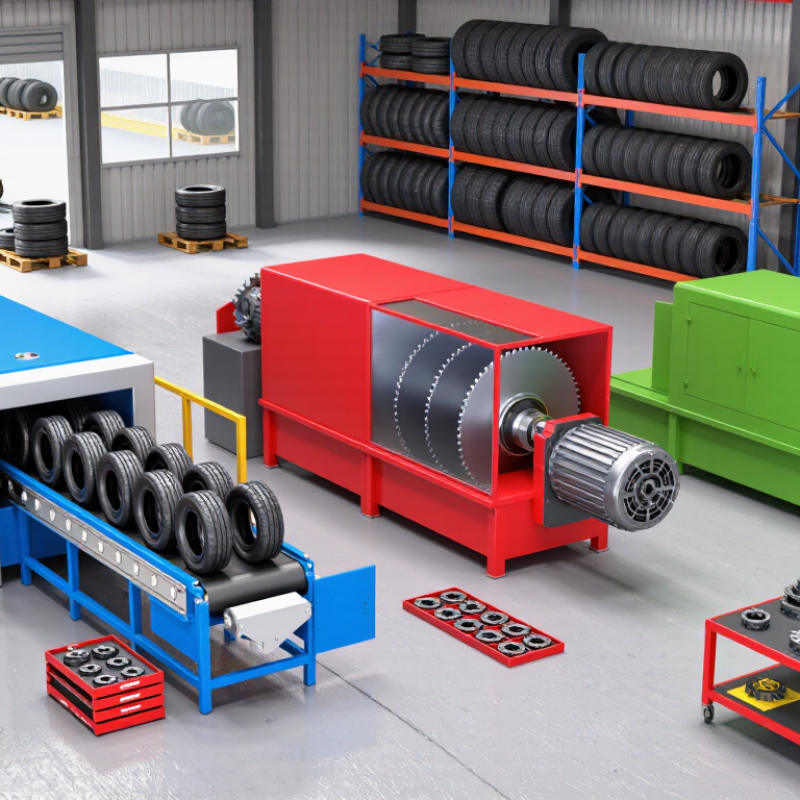
A small tire shredder is generally a compact, lower-throughput machine for reducing whole tires or pre-cut sections into smaller pieces. “Small” has no universal size cutoff. Buyers should compare chamber dimensions, motor power, hourly capacity, and the tire types the machine can actually accept. A unit suited to passenger tires may struggle with thick truck-tire sidewalls. That distinction matters.
In a recycling facility, the shredder often serves as an initial size-reduction step. Its output may be screened, then processed further to separate steel wire and textile fibers. Operators need to check the cut size, blade configuration, and maintenance access—not just the machine’s footprint. A compact layout helps in a crowded workshop, but feed preparation and steady material flow still matter. Plan for dust. Keep inspection and blade changes in the operating schedule.
Processed tire pieces can enter rubber recycling streams, where further treatment may prepare them for molded products or other applications. Some facilities also produce tire-derived fuel, subject to local requirements and buyer specifications. Output quality varies with tire condition, blade wear, and settings. Not always. A smaller machine can fit a modest operation, yet its real suitability depends on throughput needs, downstream equipment, and the cost of handling rejected material. Those details deserve a careful trial.
Key Features to Compare Across Small Tire Shredder Manufacturers
Choosing a small tire shredder starts with the feedstock, not the catalogue headline. Record tire diameter, bead-wire content, and daily operating hours. Then compare rated throughput with a realistic test using your own tires. A machine’s output can change with tire construction, knife condition, and screen size. Numbers need context. The U.S. Tire Manufacturers Association’s 2021 Scrap Tire Management Report estimated 290.6 million scrap tires generated in the United States in 2019. That figure is not a global forecast, but it shows the scale of material handling behind end-of-life tire processing.
Compare rotor design, torque, screen options, and the ease of replacing blades. Ask manufacturers to report power use per tonne, not just motor rating. Check whether shredded output meets your downstream process requirements; a neat-looking sample may still contain long wire or oversized pieces. Ask for evidence. Review guarding, emergency stops, noise data, and access for routine maintenance. Spare-part lead times matter when a small line has little backup capacity. Request a witnessed test and written performance conditions. Honestly, published specifications rarely capture every operating variable. Even a careful comparison leaves uncertainty, so treat guarantees as testable claims, not promises.
Leading small tire shredder manufacturers for global buyers should be judged by more than advertised capacity. Ask how their machines handle whole passenger tires, bead wire, and changing feed sizes. A factory test using material similar to yours can reveal uneven output, excessive vibration, or difficult clearing points. Small details matter.
Compare the cutting chamber, blade access, motor protection, and controls. Request written specifications for throughput, power use, finished particle size, and operating conditions. These figures help buyers estimate installation needs, but real output can vary with tire construction and feeding practices. Ask for maintenance intervals and the price and availability of replacement blades. Clear answers are useful evidence of practical experience.
After-sales support deserves equal attention. Check whether technicians can provide remote troubleshooting, commissioning guidance, and readable manuals in a language your operators understand. Confirm shipping dimensions, spare-part lead times, and warranty terms before placing an order. A polished brochure proves little. References from users with similar workloads are more informative, though even those may not match your site. One judgment can be wrong. Request a video demonstration or inspect a machine in operation when practical, and note how safely operators access routine service points.
Generic supplier capability comparison; profiles are not company-specific or ranked. Confirm machine specifications against your tire types, throughput target, and local requirements.
| Supplier capability profile | Typical equipment focus | Best suited to | Key items to verify | Global-buyer considerations |
|---|---|---|---|---|
| Primary-shredder specialist | Low-speed, high-torque equipment for initial size reduction; configurations vary by tire feed and target output. | Operations seeking a primary shredding stage for whole or pre-cut tires. | Accepted tire dimensions, blade material, drive protection, maintenance access, and demonstrated throughput on comparable feed. | Check motor voltage and frequency, guarding, documentation, spare-parts availability, and service response in the destination market. |
| Compact-system manufacturer | A packaged shredder with supporting conveyors and basic controls; equipment scope differs by supplier. | Smaller sites that need a coordinated machine package and have limited installation space. | Overall footprint, installation and foundation needs, included equipment, guarding, and the process layout supplied with the quotation. | Confirm shipping dimensions, lifting points, export packing, installation support, and the division of responsibility for site utilities. |
| Turnkey recycling-system supplier | Multiple processing stages, potentially including shredding, screening, and material separation. | Buyers seeking a defined process line rather than a standalone shredder. | Process flow, output-size targets, separation steps, dust and noise controls, commissioning scope, and performance-test conditions. | Request a clear scope boundary, site-specific utility list, applicable conformity documents, and a service and training plan. |
| Regional equipment fabricator | Locally assembled or customized shredding equipment; component sourcing and engineering depth can vary. | Buyers prioritizing local communication, customization, or nearby mechanical support. | Design documentation, component specifications, quality-control records, warranty terms, and references for comparable installations. | Assess local electrical and safety compliance, availability of replacement parts, and responsibility for after-sales service. |
| Secondary-processing specialist | Downstream size reduction or screening equipment intended to process material from a primary shredder. | Facilities that need a specified chip size or additional processing after primary shredding. | Required feed size, screen or cutter configuration, recirculation needs, and compatibility with the upstream machine. | Verify the full process interface, controls integration, installation sequence, and responsibility for line-wide performance. |
Note: Throughput and final particle size depend on machine configuration, tire construction, feed preparation, and operating conditions. Request a test using representative material before purchase.
A small tire shredder must match the buyer’s material, throughput, and site conditions. Ask suppliers for a written capacity range and the assumptions behind it, such as tire size and operating hours. Request a sample test using representative feedstock when practical. Watch how material enters the chamber, and note vibration, heat, and access for routine cleaning. Small details matter. A polished factory tour alone cannot prove long-term performance.
Check that certificates apply to the exact machine model and intended destination. Ask for copies, validity dates, and the issuing organization’s details. Confirm whether the documents cover the electrical system, guarding, and operating instructions. Requirements can vary by market, so buyers should verify them with qualified local advisers. A certificate is useful evidence, not a substitute for checking the machine itself. Paperwork can look tidy.
After-sales support deserves equal scrutiny. Get warranty terms, exclusions, and response times in writing. Ask which wear parts are stocked, how quickly they can ship, and whether remote troubleshooting is available. A clear service plan should name contact channels and explain what information technicians need, such as alarm codes or photos of damaged components. Even a capable supplier may have delays; test responsiveness before ordering by sending a specific technical question.
A shredder’s purchase price is only one part of its cost. A 2023 U.S. Tire Manufacturers Association report estimated 330.5 million scrap tires were generated in the United States. That volume helps explain demand, but it does not predict your plant’s throughput. Tire size, steel content, feed consistency, and screen openings all affect output. A lower-priced machine may need more frequent blade changes. A tidy brochure number can still mislead.
Shipping costs depend on machine weight, crate dimensions, loading method, and delivery distance. Ask for packed dimensions and a written estimate covering inland transport, ocean freight, and unloading. Long-term power costs matter too. The U.S. Energy Information Administration reported an average industrial electricity price of about 8.45 cents per kilowatt-hour in 2023. Your local tariff may differ. Estimate energy expense using motor load, operating hours, and your actual rate. Include labor, blades, screens, and planned downtime; these are easy to underestimate.
Tips: Request a test using tires like yours. Compare cost per processed ton, not headline capacity. Check spare-part lead times and service response before ordering. Then revisit your estimate after a month of real operating data.
Estimated electricity cost per processed tonne at three electricity tariffs
Illustrative calculation: an assumed average draw of 140 kW and throughput of 2 tonnes per hour equals 70 kWh per tonne. Costs are calculated from that energy use at each stated tariff; actual consumption depends on machine configuration, tire type, and operating conditions. Equipment price, freight, duties, wear parts, and maintenance should be assessed separately using buyer-specific quotes.