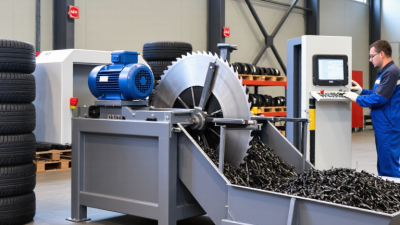
Choosing a Tire Crushing Machine is a practical decision, not just a search for the lowest price. A machine must match the tire types, required output, available floor space, and downstream equipment. A compact unit may suit a small workshop. A high-volume line needs stronger feeding, reliable cutting, and planned maintenance access. Small details matter. Check blade replacement time, guarding, dust control, and the size of the finished chips. Ask manufacturers for operating references and clear specifications, not only polished videos.
Manufacturing-quality expert W. Edwards Deming said, “A bad system will beat a good person every time.” His principle is relevant here: machine performance depends on the full process, not one impressive component. This guide compares ten manufacturers through practical criteria, including equipment range, stated capacity, service support, and transparency. Treat advertised throughput as a starting point. Real output can change with tire construction, operator skill, and maintenance. That deserves scrutiny. Some published figures may not be directly comparable, and this article cannot replace an on-site inspection or a verified customer reference. Use the shortlist to shape better questions before requesting a quotation. The right choice should fit your material, workflow, and service needs—not merely look powerful on a factory floor.
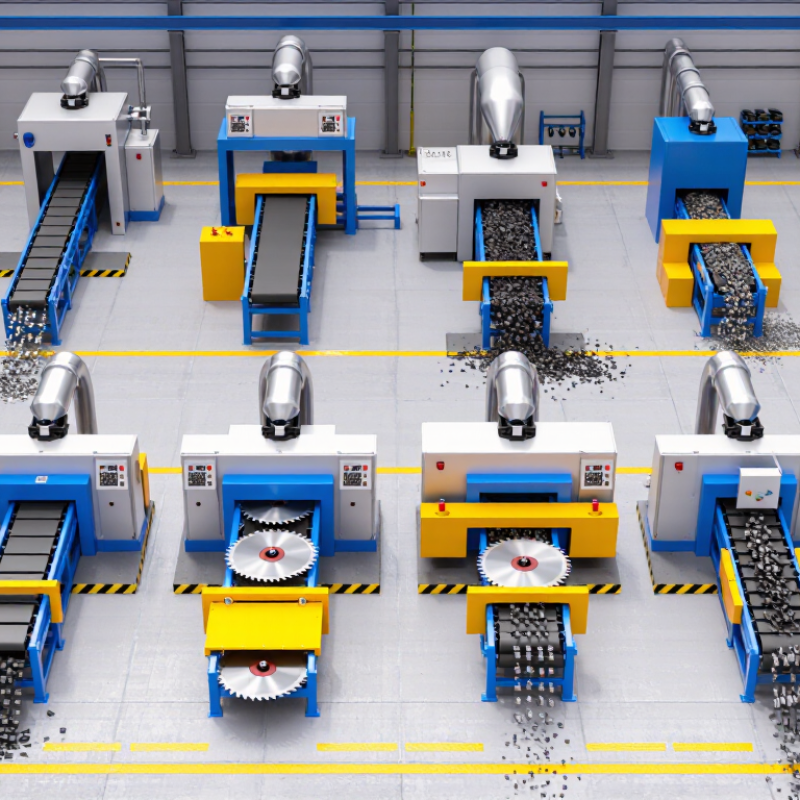
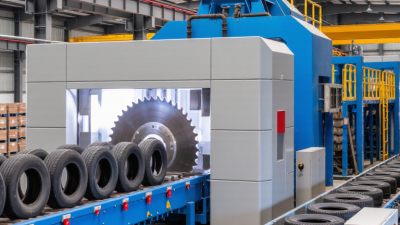
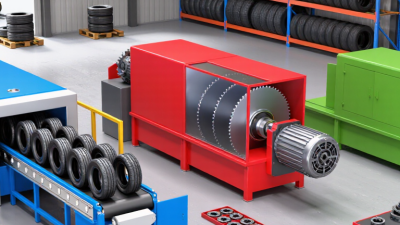
Tire crushing machines reduce whole tires into smaller pieces for easier handling and further material processing. A typical line may use a feed conveyor, a primary shredder, and a screen, though the exact setup depends on tire size and the desired output. The goal is controlled size. Inside the shredder, slow-turning shafts with cutting tools grip and shear the rubber rather than simply chopping it. Heavy-duty motors provide the torque needed to handle thick tread and reinforced sidewalls.
Operators feed tires into the machine at a steady rate. The cutters pull each tire inward and produce rough chunks. Material that is still too large may return through the system for another pass. Steel wire and textile fibers can complicate processing, so downstream equipment may separate metal or remove lighter fibers. Small details matter. Uneven feeding can cause vibration, while worn cutting edges may increase power use and produce inconsistent pieces.
Throughput is useful, but it does not tell the whole story. A machine should match the intended particle size, available floor space, and maintenance capacity. Regular checks of cutters, bearings, and screens help reveal wear before output changes noticeably. Dust, noise, and heat also deserve attention during operation. Real-world performance can vary with tire condition and feed consistency; that uncertainty is easy to underestimate.
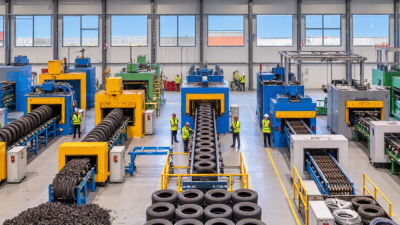
A credible ranking of China’s tire crushing machine manufacturers should begin with verified performance, not catalogue claims. Buyers can compare throughput under stated conditions, such as tire type, feed size, and operating hours. A machine processing truck tires faces different demands from one handling passenger tires. Ask for test records showing output particle size, contaminant levels, power consumption, and downtime. Independent factory audits and documented quality controls matter, too. A polished showroom proves little.
Safety and lifecycle support deserve equal weight. Check guarding, emergency stops, maintenance access, spare-parts availability, and operator training. The U.S. Tire Manufacturers Association’s 2023 Scrap Tire Management Report estimated that 79% of U.S. scrap tires were beneficially used in 2021. That figure signals substantial downstream demand, but it does not prove any machine’s performance. Rankings should therefore assess whether suppliers can provide representative trial results and service records, rather than relying on market projections. No scorecard is perfect. Site conditions, tire composition, and maintenance habits can change results, so published comparisons should disclose their test methods and limitations.
Profiles of ten Chinese tire-crushing machine manufacturers are most useful when they compare engineering choices, not slogans. Some focus on primary shredding, while others build complete lines with granulators, screens, and steel separators. Their designs may suit passenger-car tires, truck tires, or mixed feedstock. A machine’s output depends on tire size, feed rate, blade condition, and settings. Details matter.
The profiles should also examine rotor design, motor power, wear-part access, dust control, and the quality of recovered rubber. One supplier may offer compact equipment for limited floor space; another may emphasize continuous operation or customized layouts. Ask for throughput data tied to a stated material and test method. Request a process diagram and inspect how operators clear jams and replace blades. A polished brochure is not proof of reliable performance. Even comparable specifications can hide different testing conditions, so careful verification remains important.
Tips: Ask for a trial using tires like yours. Check spare-part lead times, safety features, and service arrangements. Record actual energy use and output during testing.
Tire crushing starts with size reduction, but the quality of the output depends on each stage. A low-speed, high-torque shredder can break whole tires into rough chips while limiting heat buildup. Replaceable cutting teeth and steady feed rates help manage uneven tire sizes. If the feed becomes tangled or overloaded, production can slow quickly. Small details matter.
Further processing may use granulators and screens to produce more uniform rubber crumb. Magnetic separators remove much of the embedded steel, while air or fiber separation can reduce textile contamination. Dust control and guarded conveyors are practical necessities, not optional extras. Operators should check blade wear, bearing temperatures, and screen openings regularly. Even good equipment cannot make every batch identical.
Crumb rubber may be used in molded products, playground surfaces, and selected asphalt mixes. Larger tire chips can also serve as feedstock for other material-recovery processes. The right output depends on buyer specifications, particle size, and cleanliness. There is a trade-off: finer material often needs more processing and energy. A plant should test its own feedstock before promising consistent results. Recycling is useful, but the process is not perfectly clean or simple.
A comparison of ten common tire-recycling machine types and capabilities. This is a technology overview, not a ranked or verified list of manufacturers. Output sizes and capacity depend on tire type, screen selection, and machine configuration.
| Machine Type | Key Technology | Typical Feed and Output | Main Application | Important Consideration |
|---|---|---|---|---|
| Bead Wire Extractor | Hydraulic or mechanical bead pulling separates reinforced bead rings from whole tires. | Whole passenger or truck tires; removes bead wire before shredding. | Pre-treatment for tire size reduction and metal recovery. | Tire size, bead construction, and wire condition affect extraction performance. |
| Primary Tire Shredder | Low-speed, high-torque twin-shaft cutting with replaceable cutters. | Whole tires; commonly produces rough shreds around 50–150 mm, depending on setup. | Initial size reduction for recycling lines or tire-derived fuel preparation. | Feed control and protection against tramp metal help reduce overloads and cutter damage. |
| Secondary Shredder | Further shearing of primary shreds; screens or cutter geometry control particle size. | Primary shreds; commonly reduced to approximately 20–50 mm chips. | Production of more uniform tire chips for fuel or downstream granulation. | Actual size distribution depends on the machine, screen, and tire material. |
| Rasper / Pre-Granulator | High-speed milling or rasping loosens rubber from embedded steel and textile. | Tire chips; produces smaller rubber granulate, often in the 10–20 mm range. | Intermediate processing before fine granulation and material separation. | Wear-resistant parts and effective separation are important when processing steel-belted tires. |
| Tire Granulator | Rotating knives and sizing screens reduce pre-processed rubber into crumb. | Pre-cleaned rubber granulate; typical product sizes include approximately 1–6 mm. | Rubber flooring, molded products, sports surfaces, and further powder production. | Screen aperture and repeated passes determine the final particle-size distribution. |
| Magnetic Separator | Magnetic drums or overband magnets remove ferrous steel from shredded tire material. | Rubber chips or granulate containing exposed steel wire. | Steel recovery and protection of downstream grinding equipment. | Separation efficiency depends on particle size, belt loading, and how well the steel is liberated. |
| Fiber Separator / Air Classifier | Airflow and density differences separate lighter textile fibers from heavier rubber particles. | Granulated tire material containing textile fluff and fine contaminants. | Cleaning crumb rubber for higher-quality product streams. | Dust collection is needed to manage airborne fibers and fine particles. |
| Ambient Rubber Mill | Mechanical grinding at ambient temperature, commonly using mills with classifiers or screens. | Clean rubber crumb; fine products may be specified by mesh size, such as 20–40 mesh. | Rubber powder for modified asphalt, compounds, and selected molded products. | Heat build-up, rubber elasticity, and the required particle size affect energy use and throughput. |
| Cryogenic Grinding System | Liquid nitrogen cools rubber so it becomes brittle before impact milling and classification. | Pre-sized rubber; fine powder can be produced, with final size set by milling and classification. | Fine rubber powder where particle shape or size specifications justify cryogenic processing. | Requires cryogenic equipment, insulated handling, and careful control of nitrogen use and ventilation. |
| Integrated Tire Recycling Line | Combines shredding, granulation, screening, magnetic separation, fiber removal, and dust collection. | Whole tires to separated rubber, steel, and textile fractions; configuration defines product sizes. | Commercial production of tire chips, crumb rubber, and recovered steel. | Line capacity depends on tire mix, target product, operating hours, and the bottleneck machine. |
Note: Mesh designations and particle-size ranges are indicative; measurement standards and product specifications vary by application.
Comparing tire-crushing machine manufacturers starts with the material you actually process. Whole passenger tires, truck tires, and mixed loads place different demands on cutters and drives. Ask each supplier to state its rated capacity, input limits, expected output size, and test conditions. A tons-per-hour figure means little without those details. Small print matters.
Look closely at the equipment, not only the quotation. Request a process diagram showing feeding, primary crushing, screening, and steel separation. Check how operators access blades for inspection, how wear parts are replaced, and what dust-control measures are included. Ask for a sample run using tires similar to yours, then inspect the output for oversized pieces and remaining wire. Very practical. Also compare installation requirements, spare-parts lead times, training, and service response. Ask for references from facilities with comparable workloads, and verify what support is included in writing. I would not treat a brochure figure as a promise; tire condition and feeding habits can change results. Even a careful comparison may miss a maintenance issue, so clarify routine checks before choosing a supplier.